Warsaw and Thessaloniki
A capital with a new Clean Transport Zone and an established public-bike system, and a university city with a new metro. Both are EU Mission cities with Climate City Contracts, so their contrast separates platform effects from local conditions.




Warsaw Living Mobility Lab
Employer, university and public-institution commuting in a capital city
EU Mission city with a Climate City Contract. The Clean Transport Zone (since July 2024) and the Veturilo public-bike system form the push-and-pull context for employer measures. WUT's central campus is the first anchor site; at least 20 organisations take part in the baseline analysis. Builds on the U-GARDEN city–university Living Lab.
- Lead
- Warsaw University of Technology (proposed)
- Urban authority
- City of Warsaw (proposed)
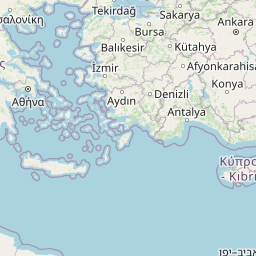
Thessaloniki Mobility Living Lab
University and institutional commuting linked to the new metro
EU Mission city with a Climate City Contract (2023). The metro, in service since November 2024, gives a new public-transport backbone to connect with walking and cycling for first and last miles. AUTh's central campus forms the university commuting cohort, extended to further employers and public institutions.
- Lead
- Aristotle University of Thessaloniki
- Urban authority
- Public-sector engagement secured by AUTh before deployment
Both labs follow the same co-creation cycle (explore, co-design, experiment, evaluate) in three iterations aligned with milestones MS3 (M12), MS5 (M24) and MS6 (M30). Each keeps a stakeholder group with commuters and employee representatives, with recorded responses to feedback.
Each pilot board includes the urban authority, anchor employers or institutions, a mobility provider, a cycling or accessibility organisation, employee or student representatives and the local research team. Stakeholders select the local problem, approve the compact, co-design incentives, review data interpretations and decide which measures continue after the pilot.